 +44 (0) 20 7127 5125
 Alumni Login
The AoEC’s consultancy services are offered to organisations and feature a portfolio of tailored coaching based solutions and products that can serve to address a multitude of issues facing both large and small businesses today.
Why the best teams work on who they are - not just what they do
21st April by Lee Robertson
Reading time 4 minutes
Share this article:


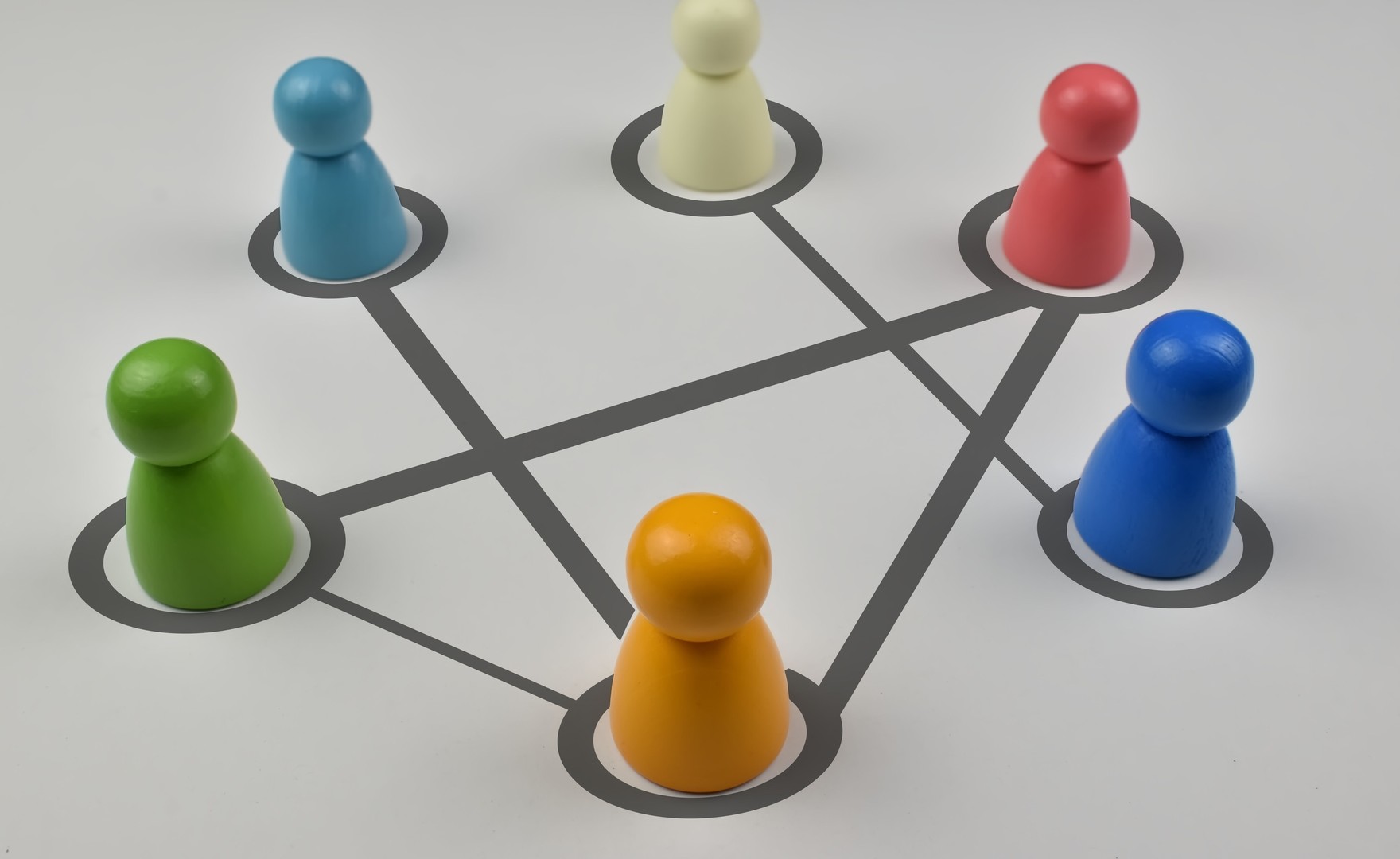
In organisations where demands are high and change is constant, teams are under pressure to deliver results quickly and consistently. Yet the most effective teams aren’t simply those with the clearest goals or the most efficient processes. High‑performing teams understand something more fundamental: sustainable team performance is shaped by who they are together, not just what they do.
While many leaders focus on execution, deadlines and output, experienced teams pay close attention to how they work together. Relationships, trust, communication and shared purpose all influence performance long before any task begins. When teams attend to the quality of these connections, collaboration becomes easier, decisions improve and accountability strengthens.
This relational work quietly underpins results - whether leaders choose to notice it or not.
Systemic team coaching® helps teams make this shift by looking beyond individual capability and examining the relational and systemic forces that shape how the team operates. It recognises that the inner workings of a team - the conversations, habits, assumptions and dynamics - have a direct impact on what the team is able to deliver.
Understanding the team behind the work
Every team has two layers: the work they do, and the way they work together. The second layer often goes unexamined because it feels less tangible or harder to prioritise. Yet ignoring it comes at a cost.
Beneath every meeting agenda sits a web of relationships, histories, communication patterns and unspoken norms. These influence who speaks up, how conflict is handled, how decisions are made and how responsibility is shared. When these relational foundations are weak, teams tend to experience friction, misalignment or a lack of psychological safety. Meetings feel heavier, ideas flow less freely and people retreat into silos.
By contrast, when teams invest time in understanding themselves - their strengths, differences, blind spots and shared identity - they unlock greater collective intelligence. They coordinate more fluidly, challenge one another more constructively and respond to pressure with greater clarity and cohesion.
Why identity and relationships drive performance
Great teams succeed not because of individual brilliance alone, but because of the quality of their connections. This shows up in several consistent ways.
1. Stronger relationships unlock better thinking
Teams with high levels of trust and psychological safety generate richer debate and better ideas. When people feel able to express uncertainty or disagreement without fear, they are more willing to test assumptions, offer alternative perspectives and think creatively together. The result is stronger decision‑making and more innovative outcomes.
2. Better understanding reduces friction and speeds up work
Misunderstandings and misaligned expectations slow teams down far more than most leaders realise. By investing in who they are - understanding differences, clarifying shared values and exploring communication styles - teams prevent unhelpful patterns from taking hold. With fewer interpersonal blockages, energy can be directed towards the work that matters.
3. A shared sense of identity strengthens accountability
When a team feels connected, accountability becomes relational rather than procedural. People follow through because they care about the collective, not just their individual responsibilities. Feedback is more honest, commitments are taken seriously and responsibility is genuinely shared.
The systemic lens: performance shaped by the wider environment
Systemic team coaching® widens the frame beyond internal dynamics to include the team’s wider ecosystem - stakeholders, customers, partners and the organisational culture in which the team operates. It helps teams see themselves not as a closed unit, but as part of a living system.
From this perspective, investing in who the team is becomes essential for navigating complexity. When relationships are strong and identity is clear, teams are better able to:
- Respond constructively to external pressure
- Adapt during periods of change
- Stay aligned with shifting organisational priorities
- Engage stakeholders with greater confidence and clarity
In uncertain environments, teams with strong internal cohesion tend to be more resilient - and more capable of delivering meaningful, sustained impact.
Working with a systemic team coach
Many teams choose to do this work with the support of a systemic team coach. Rather than focusing on individual performance or isolated issues, a systemic team coach works with the team as a whole, paying close attention to relationships, patterns and the team’s impact on its wider system.
The work typically begins by clarifying the team’s purpose, challenges and ambitions, and by agreeing what success should look like - not only internally, but in terms of value created for stakeholders. From there, the coach facilitates structured conversations that help the team surface assumptions, examine how they currently operate and experiment with new ways of working together.
This might include observing live meetings, working with real‑time challenges, or gathering stakeholder perspectives to highlight how the team is experienced. Over time, the team develops greater self‑awareness, stronger relational capability and the confidence to address difficult dynamics directly, without blame or defensiveness.
How teams can invest in who they are
Strengthening a team’s identity doesn’t require grand interventions. It depends on creating regular, intentional space for reflection, dialogue and learning.
Effective practices include:
- Routine team check‑ins that explore not just tasks, but how the team is experiencing its work
- Building understanding of individual differences in strengths, styles and motivations
- Defining shared norms and aspirations, co‑created rather than assumed
- Reviewing real challenges through a relational and systemic lens, not only a technical one
- Inviting stakeholder feedback to understand how the team is perceived and where it can grow
- Creating safe spaces for feedback, grounded in curiosity rather than criticism
These habits help teams stay attentive to their dynamics and continually refine how they work together.
The payoff for organisations
Teams that invest in who they are build deeper trust, clearer communication and more honest collaboration. They make better decisions, handle conflict more productively and hold one another accountable with greater ease. They adapt more quickly to change and deliver results that endure.
For leaders, the message is simple but often overlooked: focusing only on outputs narrows a team’s potential. Paying attention to relationships expands it. High performance is not built solely through tasks, deliverables or metrics. It begins in the quality of the team’s connection - in who they are together.
The smartest teams understand this. And they choose to work on it.
If you would like to discover more about team coaching and training as a team coach, do come along to one of our free upcoming virtual open events or webinars.
Article
The rise of the workplace situationship and what it means for leaders
18th August 2026 by Lee Robertson
A new workplace trend is emerging, and it should give leaders pause for thought.
Interview
In conversation with Sarah Carrington
18th August 2026 by Lee Robertson
As Sarah Carrington says goodbye to the AoEC after 18 years, we take the opportunity to look back on an…
Interview
Professional Practitioner Diploma / “The PPD challenges you to elevate your practice”
18th August 2026 by Lee Robertson
Susan Banda-Mudiwa is an executive coach, leadership development consultant and former CEO with more than two decades of leadership experience…