 +44 (0) 20 7127 5125
 Alumni Login
If you would like to discover more about coaching and training as a coach, do come along to one of our free upcoming virtual open events or webinars.
Practitioner Diploma / “One of the best decisions that I have made in my professional and working career”
20th January by Lee Robertson
Reading time 11 minutes
Share this article:


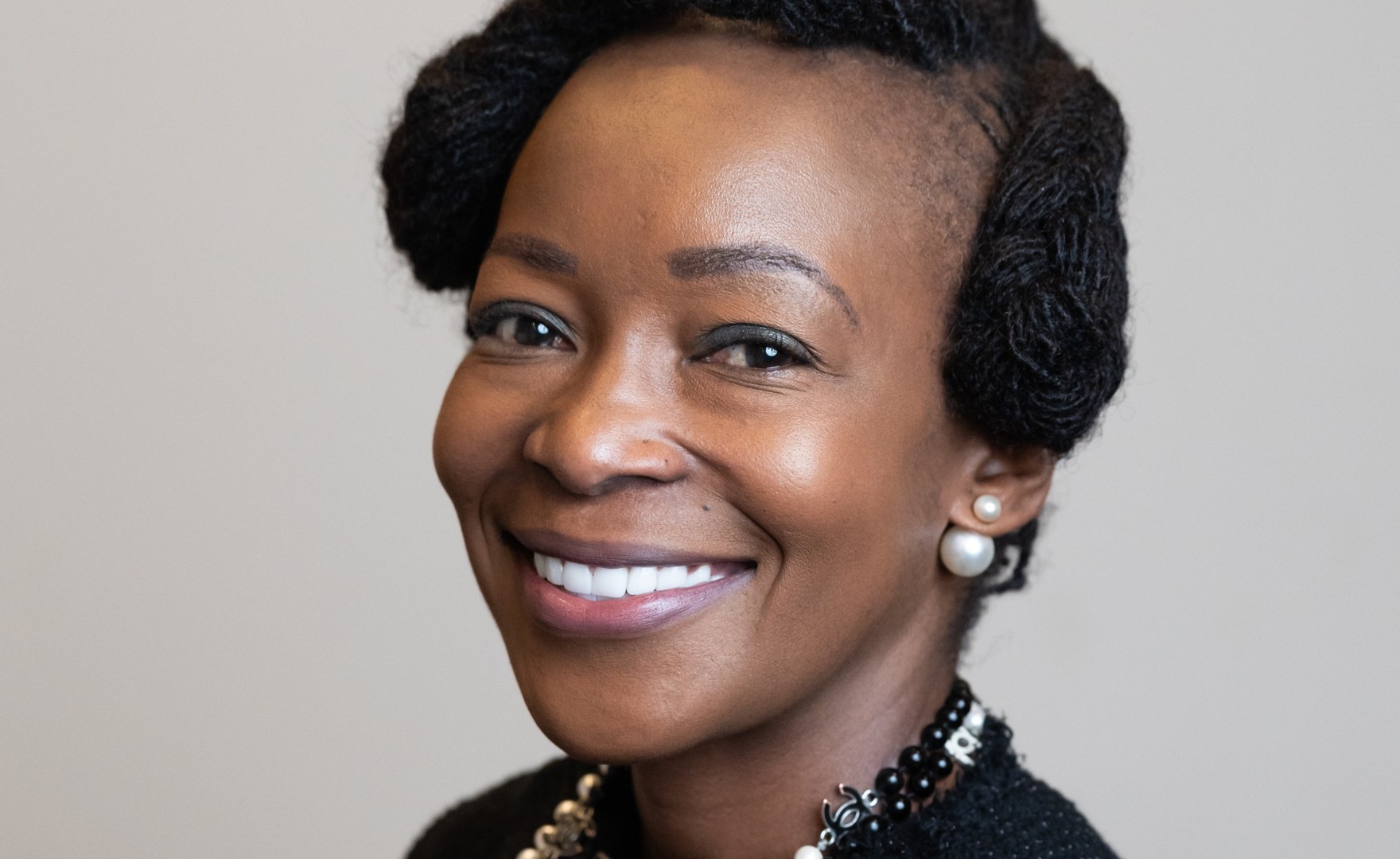
In this interview, we speak with Jacqueline Onalo, award-winning human rights lawyer, leadership trainer and founder of JOLT International. A barrister and solicitor of England and Wales, and an advocate of the Supreme Court of Kenya, Jacqueline has supported hundreds of individuals and organisations globally with their leadership development. She shares how her passion for equitable, inclusive, authentic and transformative leadership led her to train as a coach with the AoEC. Reflecting on her experience of the Practitioner Diploma in Executive Coaching, Jacqueline discusses the evolution of her OMUNDU coaching model, the power of curiosity and her vision for building a coaching-led practice that empowers others to lead with purpose.
You are an award-winning lawyer and leadership trainer. Who or what introduced you to coaching and led to you signing up for coach training with the AoEC?
I delivered a keynote speech to NHS women leaders on building resilience and confidence, focusing on my journey as a human rights lawyer, leadership trainer, equity, diversity, inclusion and belonging (EDIB) expert, grassroots international development practitioner, speaker and board member - all against a backdrop of being a teenage mum and establishing myself in a new continent. My insights were very well received, and in conversations afterwards, a senior leader asked me to coach her.
I told her that I wasn’t a qualified coach but would consider her request and revert to her. I read up on executive coaching, developed a coaching process and contract, and reverted to her. Just like that, I began coaching only upon an explicit unsolicited request basis, often on the back of leadership development training. I should have just said, I was asked to coach, I had not done it before - but instead of saying no, I leaned in with curiosity, researched, learnt and said yes, with the caveat that I was not a trained coach. I continued to coach on an ad-hoc basis when requested to.
Three years ago, I began to feel that the missing link in the support that I gave to leaders and organisations was coaching. I believe executives require safe space, time within which to reflect and navigate their aspirations and challenges. I began to have conversations with executives about how, not only difficult but lonely their roles were, and the lack of time for reflection away from the gallery, an audience. This was particularly true for those who were dedicating everything to the business - building companies, taking on leadership roles - and often had very young families. They did not require someone to tell them what to do. They had the answers - they required the space to unearth this. This wasn’t about fixing people but accompanying them on a journey of discovering their best selves.
I decided to pursue coaching qualifications. Initially, I did an online course through the University of Cambridge, then decided on the AoEC following a conversation with a colleague from Local Gkibe - who had completed the AoEC coaching diploma and was somebody who I admired for her professionalism. Long story short, this is how I landed at the AoEC, and this is one of the best decisions that I have made in my professional and working career.
I left behind a lucrative consultancy in Venture Capital to do this.
What were some of the positives and challenges you experienced while doing the diploma?
Doing the diploma was challenging in terms of the time commitment. It’s not a full-time course, but you do have several two intensive days of learning and practising. The sessions were enjoyable because the work was really good, but they were still intensive. I would say - be prepared for that. Don’t try to squeeze in your day job or other responsibilities around those days. It’s best to give yourself space to breathe, then come back refreshed the next day.
The real challenge for me was finding time in between the sessions to build on coaching practice and read the course material. For anyone looking into doing a diploma, I’d say - make sure you dedicate and invest enough time, otherwise you might end up feeling overwhelmed. What stopped me from feeling overwhelmed was that I genuinely enjoyed the course content, the reading, and the learning.
I really enjoyed the coaching practice and working in smaller groups, which were incredibly supportive - both in terms of practice and camaraderie. The highlight of the diploma was the people. These were highly accomplished individuals with whom I had the privilege of going on this coaching journey. My ethos is learning, sharing, and growing together - and boy, did I grow. I was inspired by their backgrounds, their insights, and their generosity as we all figured out this coaching thing together under the guidance of exceptional faculty members.
We had a wide range of facilitators - each with different styles, techniques, and expertise - which added so much richness to the experience. The theory was amazing - it gave me a framework and validated some of what I was already doing. It also gave me new thinking and the ability to practise coaching as I was learning, which I found particularly useful and positive.
The tried and tested tools, techniques and approaches were valuable, and I enjoyed trying different coaching methods where appropriate for coachees, clients.
Another unexpected positive was the feedback I received from my own family. Apparently, I might be a better person - and a better parent - as a result of coaching. It changed how I looked at things and how I looked at the world. I started applying coaching principles in everyday life. Instead of jumping in to fix things, I’d pause and ask, “What’s going on? What will you do?” Even if I was going to offer something, it would be more like, “Is there anything I can do?” That shift - enabling others to find their own answers - was powerful.
So, the diploma didn’t just develop me professionally. It developed me personally too.
What is your top advice to others considering coach training?
What are you waiting for? Go on. This will make you a better coach - equipped with the fundamentals, theory and practice. I don’t say this casually, but I believe it will change you. You should emerge as a better person, professional - and a better coach. It is a win win.
Coaching is about the doing - not just learning frameworks but also learning about yourself. One of the most powerful aspects of the training is that you are developing as a coach while learning the theory - not learning first and applying later but doing both at the same time. That’s what makes it so impactful.
Engage with those on a similar journey. You will be stretched - and you will grow. The people you train with, will be part of that growth. The facilitators are not just academics, experts in theory but also bring real, lived experience as practising coaches. That makes a real difference.
Give yourself the time and space to do it properly - whether it’s face-to-face or online. There will be reading, preparation, and reflection. Don’t try to squeeze it in around everything else. Allow enough dedicated time to ensure you get the best out of it.
And finally - do it because you really want to. People come to coaching for different reasons, but if you’re motivated and ready to commit, it’s incredibly rewarding.
Looking back at doing your diploma, what has been its lasting impact on you as a person and you as a coach?
It was really validating and fulfilling for my daughter and my sister to note that I’ve become a better person - and a better parent - since doing the diploma. That was an unintended and very welcome legacy.
One of the biggest shifts for me has been around values. Since doing the diploma, I’ve added curiosity as one of my core values. It’s easy to default to judgment but leaning in with curiosity - both in coaching and in life - has been a big area of growth. I now encourage clients to do the same. When I mention curiosity, they lean into it too. It’s changed how I interact with others and how I see the world. I have become more of a bridge.
I have also come to see myself as a limited resource - and to fully understand that the client is where the power lies. They have the answers. My role is to support them in navigating their own path. That shift has helped me add real value - not just as a coach, but across my portfolio career.
The diploma also strengthened my belief in emotional and cultural intelligence. In today’s world - where we’re seeing setbacks in human rights, equity, diversity, inclusion and belonging - curiosity and understanding are more important than ever. Even when we disagree, leaning in with curiosity rather than cancelling or judging is vital. Calling out what is wrong but seeking a way forward by learning lessons not blaming, as a way of building bridges not widening divides.
So yes, I believe I’m a better professional. I’m adding value to my clients and bringing the best of myself as a coach, and as a person. This authenticity is my and everyone’s superpower.
Can you tell us more about your personal coaching model and how this has evolved since doing the diploma?
I have continued to build the thesis around my coaching model - which I call OMUNDU coaching.
OMUNDU is a word from the Luhya tribe in Kenya, where I come from. It means a whole, complete, resourceful person. My coaching practice is based on the belief that every OMUNDU intrinsically holds the key to unlocking and accelerating their success - however they choose to define success - and the ability to overcome challenges along the way.
I believe that people are the experts in their own lives. As a coach, I’m not there to provide answers - I’m there to accompany them on the journey. OMUNDU has the intellectual, psychological, physical, emotional and other capabilities they need. With the right mindset, skills, tools - and coaching - individuals and organisations can unleash their full potential.
Since completing the diploma, I felt even more validated in this approach - not just by the theory, but by the people I have coached. Whether I am working with senior executives or offering pro bono coaching to university students and recent graduates, I have seen how powerful it is to hold space and let people come to their own insights.
OMUNDU Coaching is also inspired by broader African philosophies like Ubuntu - the idea that “I am because we are.” Ubuntu and indeed coaching is about connection. I see coaching as something that has existed in many cultures long before it had a formal name. My own mother, a retired nurse and counsellor, was probably my first coach. That lineage and cultural grounding are important to me.
I continue to evolve my model - learning from other coaches, reading, listening to podcasts, and staying open to new ideas. But at its core, OMUNDU coaching remains rooted in the belief that people are already whole - and that coaching simply helps them realise it. Coaching is not about fixing people; it is about them enhancing what they already have the best of their authentic resourceful selves.
Part of your work is now as an executive coach, and you set up your own practice JOLT International in 2015. Can you tell us about the type of clients you are working with?
I work with a wide range of clients - including executives, CEOs, heads of HR departments, strategists, founders and analysts. I also offer pro bono coaching to university students and those who have recently graduated.
What are some of the issues and opportunities you coach people around?
I coach around a wide range of topics including:
- Leadership style
- Career transition
- Workplace people and culture
- Change management
- Equity, Diversity, Inclusion and Belonging
- Personal branding
- Crisis management
- Wellbeing
- Emotional intelli-being
- Building a venture
- Strategy
- Impostor syndrome
- Positive intelligence
- Shaping power
- Legacy
Looking ahead, what are your aspirations for practice JOLTInternational? Are there any goals or dreams that you’re excited to pursue?
I want to build my consultancy portfolio so that executive coaching makes up 60% to 70% of my work. At the moment, depending on the client, it’s around 40% to 50% - but my goal is for coaching to become the majority of what I do.
I would also love to work remotely - not in London, but somewhere warmer (except in the summer!) - and coach clients from across the globe. I have already started testing this out with a client, and it’s something I’d like to build into my long-term way of working. Ideally, I’d like to wake up and look out at a lake or the sea then coach for three to four hours a day.
Another aspiration is to create a women’s network and offer wellness retreats - combining group and one-to-one coaching in a restorative setting. I imagine building a home that could also serve as a retreat space, where wellbeing and coaching come together.
I also want to continue developing my OMUNDU coaching model - perhaps even building a foundation around it. I hope it can become something that resonates with others who share similar lived experiences, and something that adds value to their clients.
I am dreaming, manifesting and planning.
First the vision then the execution.
Can you share a success story or testimonial from one of your clients that highlights the impact of your coaching?
Head of leadership & culture - asset management technology:
“I wholeheartedly recommend Jacqueline Onalo, if you are looking for an exceptional executive coach. Her excellent listening skills, keen attention to detail, and a focus on results have been instrumental in helping me stay accountable and achieve my goals over the past few months.
Jacqueline quickly identifies key issues and offers empowering support, with a deep understanding of my challenges. She encourages deep thinking and new perspectives, even when discussions are uncomfortable, which is an essential part of any growth journey.
Coaching with Jacqueline is about finding your own solutions and your own way, with her guiding you along for a part of the journey. If you want a coach like this, Jacqueline is the perfect choice.”
What do you find most rewarding about your work as a coach?
That clients are able to figure things out for themselves - and often make tremendous breakthroughs that impact their work, their business and sometimes personal lives. My coaching is holistic, so it goes in different directions depending on what the client needs. But time and again, I see that people are the experts in their own lives - and that continues to be proven over and over again.
It’s a real privilege to accompany someone as they overcome, surmount, interrupt challenges - and achieve new goals. I don’t take that lightly. When I was finishing my coaching diploma, I used the metaphor of a classic vintage car. The client is in the driver’s seat. I’m not even in the passenger seat - I’m in the back seat, accompanying them on their journey with curiosity. I might ask, “Will you go left? Will you go right? Will you stop? What will happen if this happens?” But they are the ones navigating throughout.
This experience continues to prove my OMUNDU thesis - that people are complete and resourceful. I don’t have to do the heavy lifting. They can figure it out for themselves.
Our deepest gratitude to Jacqueline for sharing her personal experience of coach training with the AoEC.
News
AoEC appoints Virginia Molet to head Spanish launch
20th March 2026 by Lee Robertson
The Academy of Executive Coaching (AoEC) is delighted to announce the appointment of Virginia Molet, founder of Gravitae Academy, as…
Interview
Practitioner Diploma / “There is true power in presence”
20th March 2026 by Lee Robertson
Kofi Kyei is a people centred talent and culture specialist with deep experience partnering with blue chip organisations across commerce…
Article
How organisations can help their employees look inwards and learn about themselves
20th March 2026 by Rochelle Trow
Organisations say they want resilient, grounded leaders who can navigate complexity without burning out. Yet the structures they reward still…