 +44 (0) 20 7127 5125
 Alumni Login
Discover how AoEC can help your organisation thrive with tailored coaching solutions that address your unique challenges and unlock your people’s potential.
Human skills should be the standard, not the exception
27th October by Joanna Dawson
Reading time 3 minutes
Share this article:


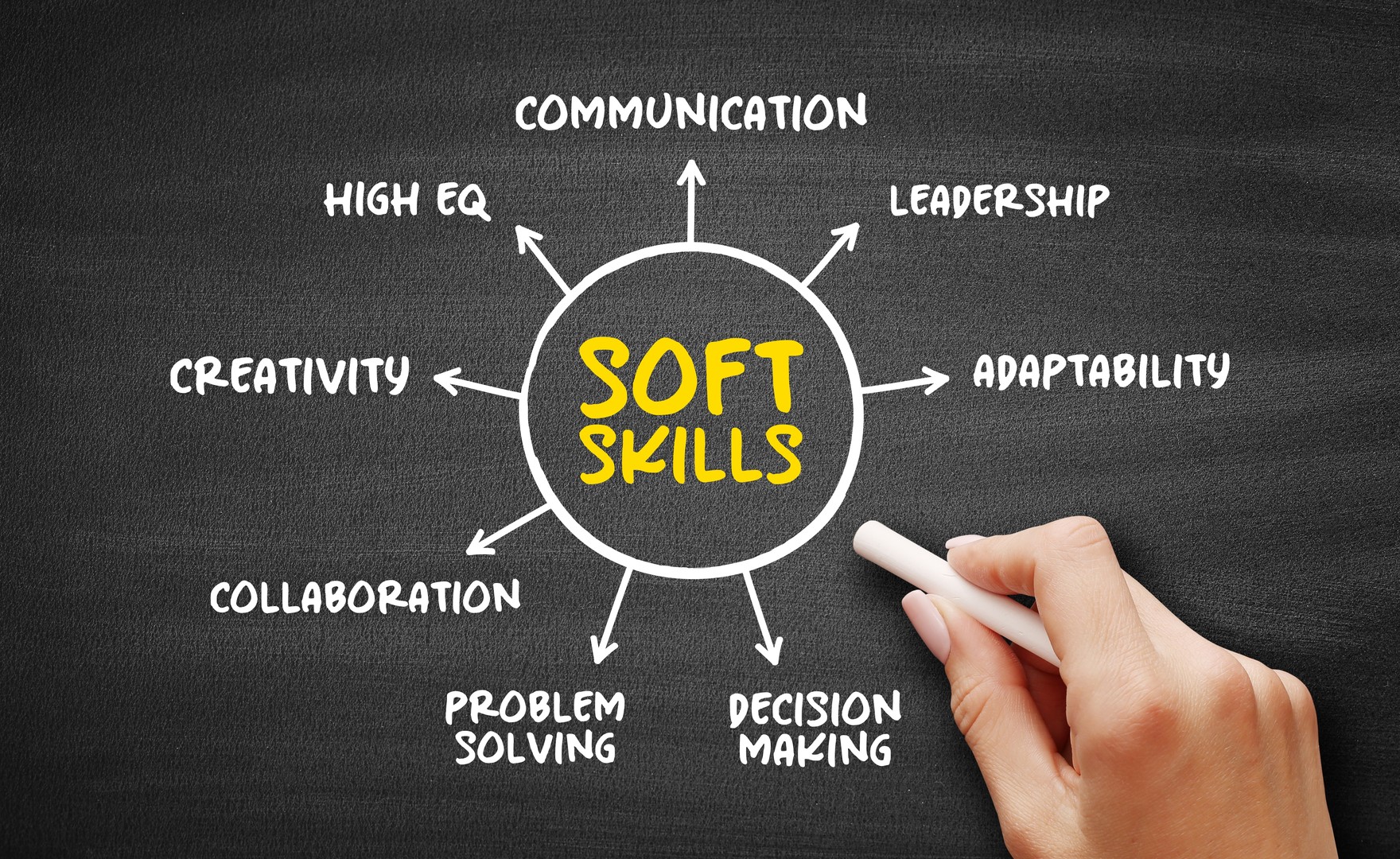
EY’s recent announcement that it is investing $100 million to reward employees who demonstrate judgement, adaptability, collaboration, leadership and business acumen is welcome recognition of an important principle: in an AI-enabled world, human capability matters more, not less.
But it also raises a question: why do we still treat these capabilities as exceptional rather than essential?
There is nothing wrong with recognising people who demonstrate them particularly well. The issue is whether organisations also expect, develop and reinforce them as part of everyday working life.
Judgement, curiosity, listening and collaboration are not optional extras. They are foundations of effective leadership, healthy cultures and sustainable performance.
They should be the standard.
The gap between what we value and what we reward
For years, organisations have talked about empathy, accountability and collaboration. Yet performance and promotion systems can tell a different story, placing greater weight on technical expertise, individual achievement and short-term results.
When that happens, the message is clear: how people deliver matters less than what they deliver.
We risk promoting brilliant problem-solvers without preparing them to develop others. We elevate technical experts without equipping them to build trust and engagement. We invest in technology without giving the same attention to the human capabilities needed to use it thoughtfully and lead through change.
Technical expertise remains essential. But it is not sufficient.
Leaders must also navigate ambiguity, align different perspectives, develop talent and help people make sense of change. These responsibilities demand more than having the right answer. They require leaders to create the conditions in which others can think, contribute and take ownership.
Coaching as an everyday leadership capability
This is where a coaching approach has an important role to play - not as a leadership add-on, but as a practical way of developing and applying human capabilities.
It encourages leaders to listen more carefully, ask better questions, examine their assumptions and resist the temptation to solve every problem themselves.
The shift is from being the person with all the answers to helping others develop the judgement and confidence to act.
That does not mean abandoning direction, expertise or accountability. It means knowing when to provide an answer and when to help someone think a problem through.
Listening, questioning and curiosity are sometimes labelled “soft skills”. Yet their purpose is practical: better thinking, clearer decisions and greater ownership.
From a programme to a way of working
Our work with Baringa illustrates what a sustained commitment to coaching can look like.
The organisation invested in building coaching capability across its leadership population, embedding it into how leaders engage with colleagues, develop talent and support client work.
The reported results included 70 per cent of coaching being delivered internally, a significant reduction in external coaching expenditure and progression into more senior roles for nearly half of those receiving internal coaching.
These outcomes should not be read as evidence that coaching alone caused career progression. They do, however, illustrate the reach and potential value of building internal capability over time.
The important distinction is that coaching was not treated simply as a standalone initiative. It became part of how leadership was practised.
Make expectations visible
If human capabilities are genuinely essential, they need to be reflected in organisational systems - not just in statements about culture.
That means asking:
- Do we recruit for judgement, curiosity and collaboration as deliberately as we recruit for technical expertise?
- Do we give people opportunities to practise and develop these capabilities?
- Do performance conversations consider how results are achieved, as well as the results themselves?
- Do promotion decisions reflect a person’s ability to develop others?
- Do senior leaders model the behaviours they expect?
Expecting these capabilities does not mean assuming everyone already has them. A standard without development and support is simply a demand.
Organisations need to make the expectations clear and help people meet them.
Recognition is a start, not the destination
EY’s announcement puts welcome attention on the value of human capability. The opportunity is to turn that recognition into something more enduring.
The organisations best placed to benefit will not simply reward occasional examples of good judgement, listening or collaboration. They will build these capabilities into how people are recruited, developed, assessed and promoted.
Because effective leadership is not defined by authority or expertise alone. It is also defined by the ability to help others succeed.
Human skills deserve recognition. But they should not be exceptional.
They should be part of how the organisation works.
This article was first published by AoEC Global
News
AoEC strengthens its African footprint with the launch of AoEC Ghana
27th October 2026 by Lee Robertson
The Academy of Executive Coaching (AoEC) has launched AoEC Ghana. AoEC Ghana will be led by Professor Ivy Drafor Amenyah,…
Article
Human skills should be the standard, not the exception
27th October 2026 by Joanna Dawson
Human skills should be the standard, not the exception article by Joanna Dawson, Head of AoEC for Business
Article
How neuroaffirming is your coaching practice?
27th October 2026 by Hannah Breslin and Joan van den Brink
Many coaching programmes have been developed through a Western, neurotypical lens. While core coaching principles remain valuable for neurodivergent clients,…