 +44 (0) 20 7127 5125
 Alumni Login
If you would like to discover more about coaching and training as a coach, do come along to one of our free upcoming virtual open events or webinars.
Practitioner Diploma / “It felt like the right place to not just learn how to coach, but to become a coach”
18th November by Lee Robertson
Reading time 5 minutes
Share this article:


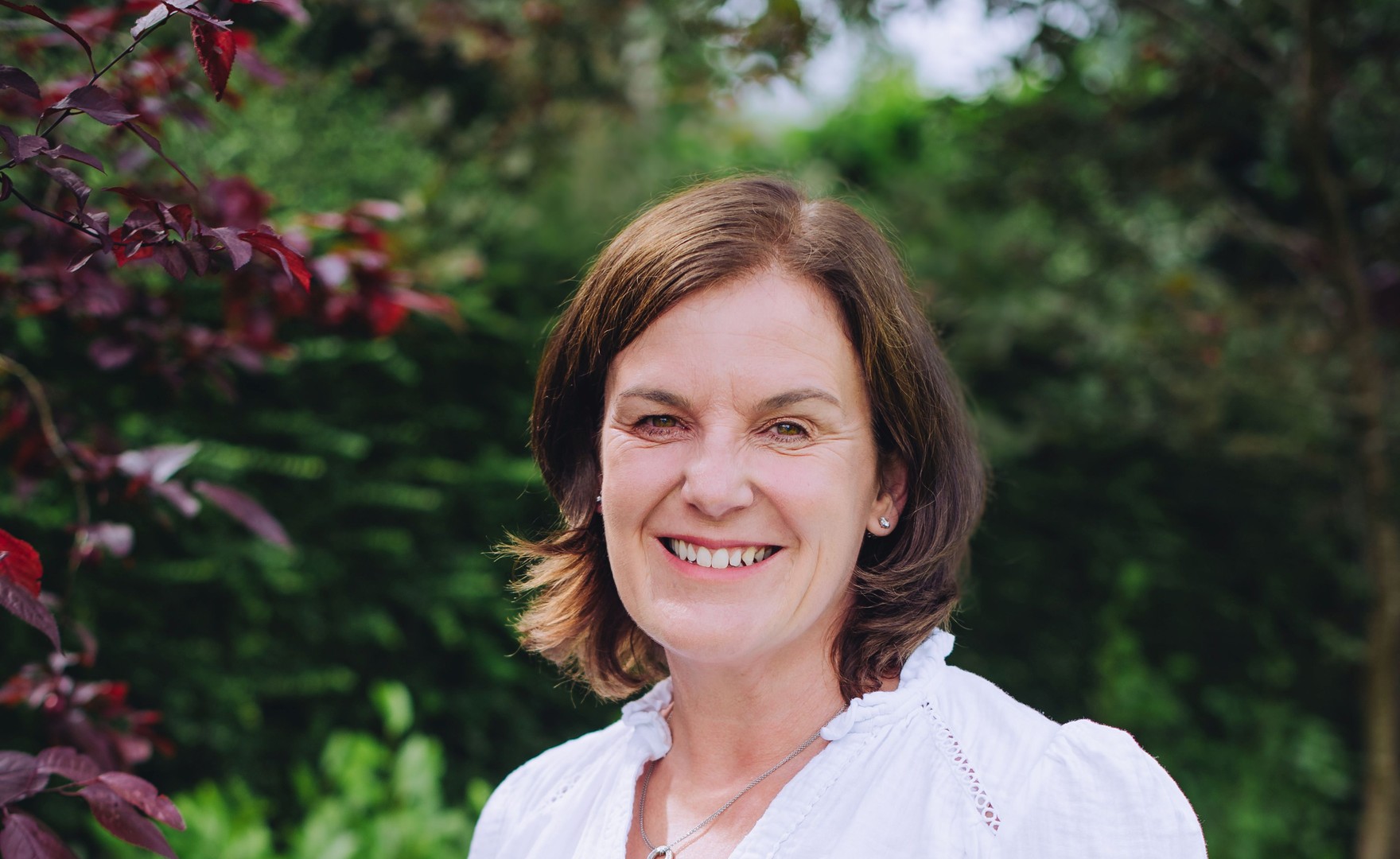
With a global career spanning consultancy, executive search, and marketing, Laura Wong made a bold shift - stepping away from senior roles to retrain as a coach after a career break. Now running her own practice, she reflects on how the AoEC’s Practitioner Diploma in Executive Coaching helped her move from fast-paced problem-solving to deep, reflective coaching. In this interview, Laura shares how the diploma shaped her approach, the clients she now supports, and why coaching is about helping people trust themselves again.
Prior to developing yourself as a coach, you worked in senior positions for brands including Be Shaping the Future Management Consulting AGB and Sapphire Partners Executive Search. Who or what introduced you to coaching and led to you signing up for coach training with the AoEC?
There were two significant points in my career where coaching had a lasting impact. The first was after returning from several years working abroad in Tokyo. I was at a career crossroads and used coaching to help me figure out what was next. The second was after the birth of my daughter, when I found myself re-evaluating my path and what I wanted my next chapter to look like.
It was during that time I first heard about the AoEC and completed the Certificate course. I knew then that I wanted to train as a coach. It just wasn’t the right time to commit fully. Several years later, I came back to the AoEC to do the Practitioner Diploma.
What drew me back was the same thing that drew me in the first place: their reputation, the calibre of the faculty, and the experiential, reflective approach to learning. It felt like the right place to not just learn how to coach, but to become a coach.
What were some of the positives and challenges you experienced while doing the diploma?
One of the biggest positives was the chance to coach regularly and get real-time feedback. It made the learning stick in a way that theory alone never could. I also appreciated the balance of structure, stretch, and support, and the quality of connection that developed within our cohort.
A personal challenge, and also one of the most valuable shifts, was learning to slow down. Coming from fast-paced, senior roles, my default was to move quickly, solve problems, and keep things efficient. The diploma helped me step back, stay present, and really listen. Not just to the words, but to what’s not being said. That shift changed the way I coach, and the way I hold space in every conversation.
What is your top advice to others considering coach training?
Don’t wait until you feel “ready.” If you’re curious, open to reflection, and want to work in a more meaningful way (personally or professionally) the learning will meet you where you are. And be prepared. It will shift more than just your career.
Looking back at doing your diploma, what has been its lasting impact on you as a person and you as a coach?
As a person, it gave me a new level of self-awareness and presence. I listen differently, I question differently, and I don’t rush to fix. As a coach, it gave me a strong foundation to work with depth and integrity. I coach senior women navigating complex, often unspoken transitions, and I credit the diploma for helping me hold that space without defaulting to solutions. It taught me how to really listen. Not just to what’s said, but to what’s behind it.
Can you tell us more about your personal coaching model and how this has evolved since doing the diploma?
My coaching model is centred around helping clients think clearly and move forward with decisions that reflect who they are now, not who they were five or ten years ago. I work with senior women who are often at a crossroads. On paper, everything looks successful, but internally, they’re questioning what still fits and what needs to change.
My role is to create space for them to step out of the constant doing, get honest about what’s no longer working, and start working out what would. Since the diploma, I’ve brought in additional tools from career change coaching and emotional intelligence work. But the heart of the process remains the same: helping clients slow down, think for themselves, and build clarity they can act on.
You now work as an executive coach and set up your own practice in 2023; can you tell us about the type of clients you are working with?
I work primarily with midlife women in senior roles across consulting, law, finance, and other high-pressure industries. They’re smart, capable, and externally successful. But internally, they’re often running on empty. Many are questioning whether their current path still fits. They don’t always call it burnout, but they know something has to change. My clients are not looking for motivation. They’re looking for clarity, permission, and a plan.
What are some of the issues and opportunities you coach people around?
Key themes include career crossroads (stay, step up, or move on), managing overwhelm, rebuilding confidence after burnout, and finding a new definition of success that actually fits.
I also work with clients around leadership identity, especially when what’s worked in the past starts to feel misaligned. The opportunity is in helping them lead from a place that feels clearer, calmer, and more sustainable, both in work and in life
You have gone onto become a member of the ICF. What are your long-term plans for professional credentialling?
I’ve achieved my ACC and plan to pursue PCC over the next 12 to 18 months. I see credentialing as part of my commitment to high standards and continuous development. Not just for my clients, but for myself. I want my work to reflect not just experience, but excellence.
Can you share a success story or testimonial from one of your clients that highlights the impact of your coaching?
One of my clients, a senior manager in a global consultancy, came into coaching feeling stuck and overwhelmed. She wasn’t sure whether to push for promotion or walk away completely. Through our sessions, she gained clarity about what mattered most to her and redesigned her current role to better support her wellbeing, values, and goals. She later shared:
"Coaching with Laura gave me the space to actually hear myself think again. I stopped spiralling and started making decisions with calm confidence."
What do you find most rewarding about your work as a coach?
The moment a client realises they’re not broken. They’ve just outgrown something. Seeing them move from stuck to steady, from second-guessing to self-led; that’s the shift that keeps me doing this work. It’s not about fixing people. It’s about helping them trust themselves again.
Our deepest gratitude to Laura for sharing her personal experience of coach training with the AoEC.
News
AoEC appoints Virginia Molet to head Spanish launch
20th March 2026 by Lee Robertson
The Academy of Executive Coaching (AoEC) is delighted to announce the appointment of Virginia Molet, founder of Gravitae Academy, as…
Interview
Practitioner Diploma / “There is true power in presence”
20th March 2026 by Lee Robertson
Kofi Kyei is a people centred talent and culture specialist with deep experience partnering with blue chip organisations across commerce…
Article
How organisations can help their employees look inwards and learn about themselves
20th March 2026 by Rochelle Trow
Organisations say they want resilient, grounded leaders who can navigate complexity without burning out. Yet the structures they reward still…