 +44 (0) 20 7127 5125
 Alumni Login
Article
The rise of the workplace situationship and what it means for leaders
18th August 2026 by Lee Robertson
A new workplace trend is emerging, and it should give leaders pause for thought.
Share this article:


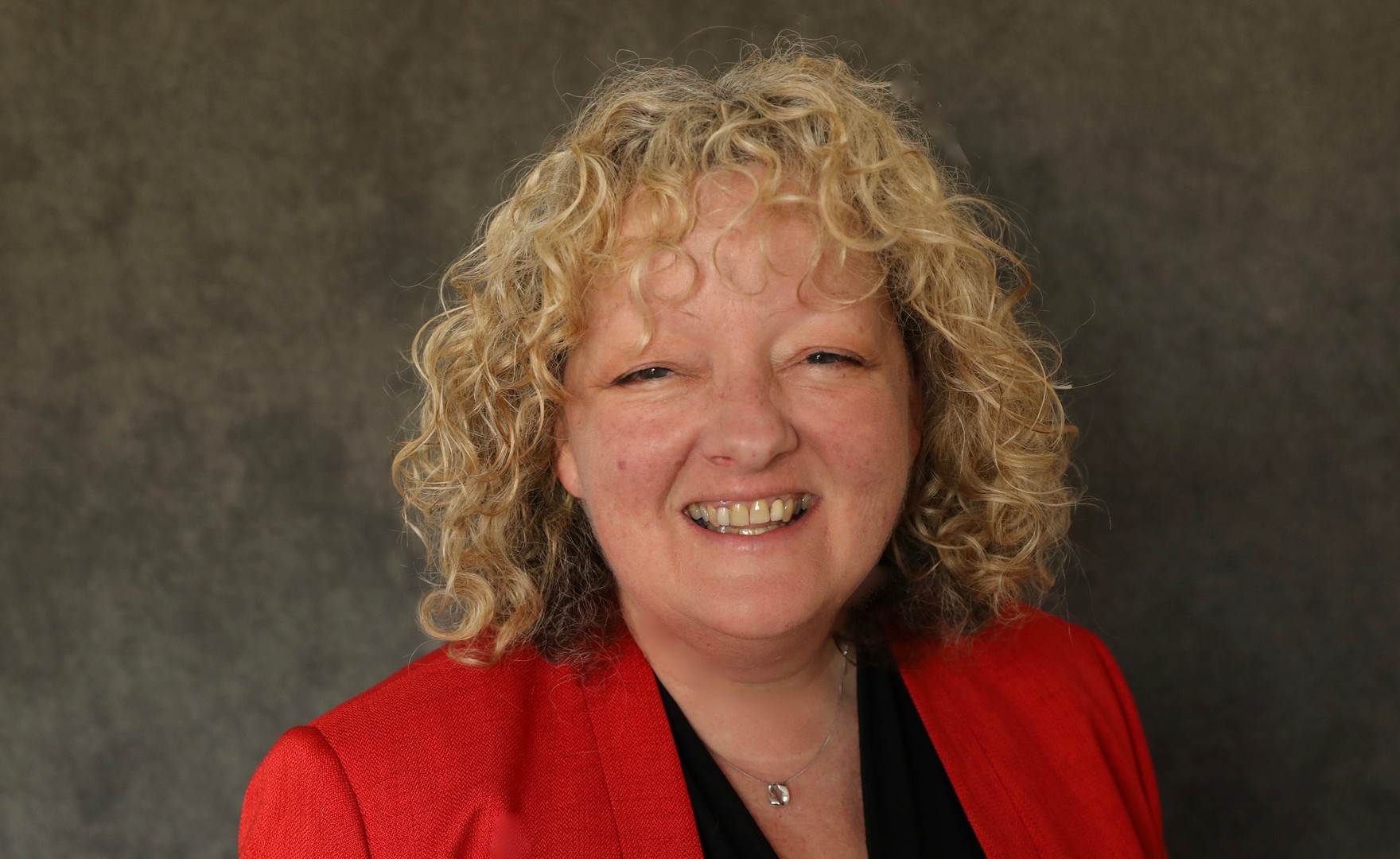
As Sarah Carrington says goodbye to the AoEC after 18 years, we take the opportunity to look back on an extraordinary journey. From joining the Practitioner Diploma in 2008 to becoming a highly respected faculty member and coach, Sarah has helped shape the experience of thousands of learners across the AoEC community. In this candid and thoughtful interview, she shares reflections on coaching, leadership, lifelong learning and the moments that have mattered most throughout her career. As she embarks on an exciting new chapter, we celebrate her impact and thank her for everything she has contributed along the way.
What was your own coach training journey like, and are there any experiences, lessons or influences that continue to shape your practice today?
My coaching journey really began after learning about the GROW model and then joining the AoEC's Practitioner Diploma in 2008. The programme was hugely transformative for me. As part of the programme, I received coaching myself, which gave me the opportunity to explore whether coaching was something I wanted to pursue as a career. It was, and I set up my coaching business shortly afterwards.
After completing the Practitioner Diploma, I joined the AoEC as alumni manager, before becoming a member of the faculty in 2009. Since then, I've continued my own development through further study, including the Advanced Practitioner Diploma, the Diploma in Systemic Team Coaching®, and many other coaching-related programmes and courses.
One of the things I've learned is that coaching can be a commitment to lifelong learning. There is always more to discover, and I've always been driven by a desire to do the very best I can in serving my clients.
A great influence has been the people I've worked with over the years. Every relationship I’ve formed has given me the opportunity to learn something more about myself, to challenge my assumptions and broaden my understanding of other people and the world around me.
I've had countless meaningful conversations and precious moments through the years with people on our programmes and with colleagues - sometimes challenging, always valuable and this has contributed to my growth, not just as a coach, but as a person. Those experiences have stretched me and shaped who I am today. If anyone reading this was a part of that, then you have my heartfelt gratitude.
I hope that, in some small way, I've had a similar impact on other people along the way.
You've been part of the AoEC community since 2008. What first attracted you to the organisation, and what has made the journey so meaningful over the years?
I first came to the AoEC as a participant on the Practitioner Diploma. I'd researched a number of different organisations and was drawn to the AoEC because it specialised in executive coaching.
What really stood out, though, was the people. I remember speaking to Sue Burston and Gina Lodge, and they were so warm, thoughtful and knowledgeable about the programmes. There was a genuine sense of care in those conversations, which felt very different from my experience elsewhere.
Over the years, what has made the journey so meaningful has been the feeling of community. For me, it's always been about the people here. I've loved working with the AoEC teams and I’ve seen how, through periods of change and challenge, it's been the people who have kept things moving forward and supported one another along the way.
The AoEC has also provided a valuable connection to the wider coaching community. Coaching can sometimes be quite a solitary profession. I might meet coaches through supervision, conferences or networking events, but much of the work is done independently. Being part of a community where I can talk about coaching, learn new ideas, share experiences and continue to get excited about the profession has been incredibly important to me.
Working as faculty on various programmes has deepened my faith in humanity. Time and again, in a world of tension and anxiety, there has been space filled with compassion and kindness. It’s been a real privilege to experience that and I will always treasure those moments.
Having seen nearly two decades of change, how have you seen the AoEC evolve, and what are some of the developments you're most proud to have been part of?
The AoEC has more than doubled in size since I started, both in terms of people and the number of programmes we run every year. I've been incredibly fortunate to work with well over 2,000 people, across the Certificate, Practitioner Diploma, Advanced Practitioner Diploma, Professional Practitioner Diploma and the Senior Practitioner Diploma before that. Seeing more and more people join our programmes across the world has been a real joy.
The faculty team has grown significantly too. When I started, there were just two of us running the Practitioner Diploma in Great Britain. Now there are around 10. Globally, we had no partners when I first joined. I'm proud to have been part of the AoEC's increasingly global journey – training and working alongside the wider global faculty community. Now there is an international community that is growing and flourishing.
Probably the biggest development, and certainly the biggest learning experience, was the move to virtual delivery during lockdown. The morning after the lockdown announcement, we launched our very first virtual Practitioner programme. We'd been preparing for a few weeks before and there was definitely steam coming off the keyboards by that point!
I often describe it as a vertical learning curve. We went from zero to 100 almost overnight. We were learning how to use Zoom and facilitate online programmes at the same time our participants were learning how to engage in them. They were incredibly patient and forgiving, and I'm very grateful for that.
One of the things I remember is how beautifully the global AoEC community came together. People shared experiences, ideas and learning at pace, helping one another adapt to an entirely new way of working.
It was a challenging time. Alongside learning new ways of working, we were supporting people – and each other - through a period of enormous anxiety, uncertainty and loss. One of the things I've always valued about the AoEC is the ability to create spaces where people can have conversations they may not feel able to have elsewhere. During that period, it felt more important than ever.
Alongside your work with the AoEC, you've built your own coaching practice, WinMor. Can you tell us about the work you do, who you typically work with, and what matters most to you as a coach?
In today’s increasingly uncertain, challenging and pressured world, I find myself working more and more alongside leaders who feel unclear, stuck, exhausted. In the work we do together, my hope is that they feel there is some light – a different way forward.
What matters to me most is that they emerge feeling that they are able to make better choices in what they do and how they do it, and that they inspire their teams to do the same.
My clients come from a range of sectors and levels in organisations – board-level leaders working in global roles, developing and emerging leaders and all levels in between.
I am also a supervisor and mentor coach for new and more experienced coaches. I have found both supervision and mentor coaching invaluable myself over the years and still do. I really appreciate having the space to work through my questions, to share my doubts and celebrate my successes and to not be judged for either. I have learnt so much about myself in this work, and this is what I bring to the people I work with too. What matters to me in this work is that coaches feel revitalised and better resourced as a result of the work we do.
Looking back across your coaching career, what have been some of the most significant shifts you've seen in clients' needs, expectations and challenges?
There is an acronym, BANI, (Jamais Cuscio: Brittle, Anxious, Non-Linear, Incomprehensible), which refers to organisations in today’s world and that seems to resonate with my clients. It can feel hard to make sense of what is happening now, let alone be able to plan for the future. It can often feel as though they're either in or they're out, part of the ‘club’ or on the outside. Work has always been pressured, but the pressure seems to keep increasing.
In addition, organisations were created around people who would work longer hours when needed in order to absorb peaks in workload. Increasingly now, people are becoming more boundaried with their time (which is far healthier) and yet it means that there is nowhere for the additional work to go. Leaders can feel that they are the ones who have to absorb that work and end up exhausted as a result.
At the same time, I believe there is a higher level of anxiety in the world than I've seen before. Concerns about the planet, the global economy, political systems and wider instability all find their way into the workplace. Not always in an overt way, but the tension and pressure are there, and people carry them with them.
As a result, many clients are looking for a safe space where they can talk openly about what's going on for them. Coaching has always provided that, but I think people are increasingly wanting to explore their personal struggles at a deeper level. Often, they're trying to make sense of a world that feels more complex than ever, whether that's in their workplace, their family life or their wider environment.
I'm also seeing more leaders struggling with feelings of isolation. Organisations operate more globally than ever. Days are stretched across multiple time zones, and the demands on leaders continue to grow. For some, it can feel difficult to know where to take their concerns or who they can turn to for support, and that can lead to exhaustion or even burnout.
And yet, at the heart of it all, the human being remains the same. Relationships, connection and understanding have often been at the centre of the work I do. While the context around us continues to evolve, those human needs remain as important as ever.
If there is one thing the coaching profession needs to wake up to right now, what would it be? Where do you think we are getting it wrong, or perhaps missing an opportunity?
I wholeheartedly support the ongoing improvement of standards across the coaching profession. I think that's incredibly important. At the same time, there seems to be a growing pressure to standardise what good coaching should look like according to certain ways of thinking.
I feel strongly that, in doing so, we may be narrowing our field of vision. Rather than embracing different ways of working and learning from how other cultures approach coaching around the world, there can be a tendency to default to a more Westernised view of coaching. That makes me sad, because I think we're missing a real opportunity to broaden our perspective and embrace greater diversity of practice and ways of being in the profession.
My hope for coaching is for coaches to have more open conversations about power and assumption within coaching relationships. Those discussions can take courage, but they're so important. I'd like to see more training approaches across organisations that better support coaches to have real, open and honest conversations with their clients.
When coaches are able to model those conversations well, it enables others to take that learning back into their teams and organisations, creating a positive ripple effect. I'd love to see more focus on that as the profession continues to develop.
My concern is that, in the pursuit of standardisation, we're at risk of losing the importance of the relational aspects of coaching because they can't easily be measured. Yet those very things - relationship, trust and humanity, are what can make coaching so powerful.
Looking ahead, what trends or developments do you think will shape the future of coaching over the next five to ten years?
The first thing I thought was ‘probably something surprising’ - we couldn't have predicted the pandemic 10 years ago, so you never really know what's around the corner.
That said, I think the importance of caring for our planet will become increasingly urgent. I hope we'll see more coaching conversations focused on what we, as a human race, can do to treat the planet better. Coaching systemically, in its widest sense, really helps to provoke new thinking for my clients facing into this challenge.
AI will certainly play a significant role. I like the phrase "AI-augmented coaching". I believe that AI can support coaches without replacing the coach themselves. It all depends on how we use it. I think it has great potential to help coaches improve their practice by analysing sessions and providing insights that support further development, for example.
At the same time, I hope that there will always be a place for human beings and human relationships in coaching. There's something unique about creating a space for connection and trust, and bringing presence, courage, vulnerability and empathy - all the things that AI can't yet do. Over the next 10 years, I imagine there will be space for both, and the challenge will be learning how they sit alongside each other, enabling the best of both.
As you prepare for your next chapter, what advice would you give your younger self when you were starting out in coaching?
It's such a powerful coaching question. I have thought about it for a while, and for me the answer is: you have everything you need within you right now.
I'd tell myself to find my purpose, hold it in my heart and follow it always.
After such a significant chapter with the AoEC, what are you most excited about in the next stage of your journey?
I'm continuing with my business, but in a way that gives me a better balance in my life. I'll still be embracing my passion for coaching, supervision and mentor coaching.
I'm fully intending to travel more and to continue developing my photography skills. I've always loved photography, but I haven't really focused on it for a few years now, so I'd love to explore it more deeply.
I'm also really looking forward to spending more time with our six grandchildren. Exploring the world through their eyes is a truly magical thing. I'm hoping to do more of that and to support them to flourish as human beings.
Article
18th August 2026 by Lee Robertson
A new workplace trend is emerging, and it should give leaders pause for thought.
Interview
18th August 2026 by Lee Robertson
As Sarah Carrington says goodbye to the AoEC after 18 years, we take the opportunity to look back on an…
Interview
18th August 2026 by Lee Robertson
Susan Banda-Mudiwa is an executive coach, leadership development consultant and former CEO with more than two decades of leadership experience…