 +44 (0) 20 7127 5125
 Alumni Login
If you would like to discover more about coaching and training as a coach, come along to one of our free upcoming virtual open events or webinars.
Practitioner Diploma / "You don't need to ask the perfect question, if such a thing exists."
24th November by Alice Thomas
Reading time 4 minutes
Share this article:


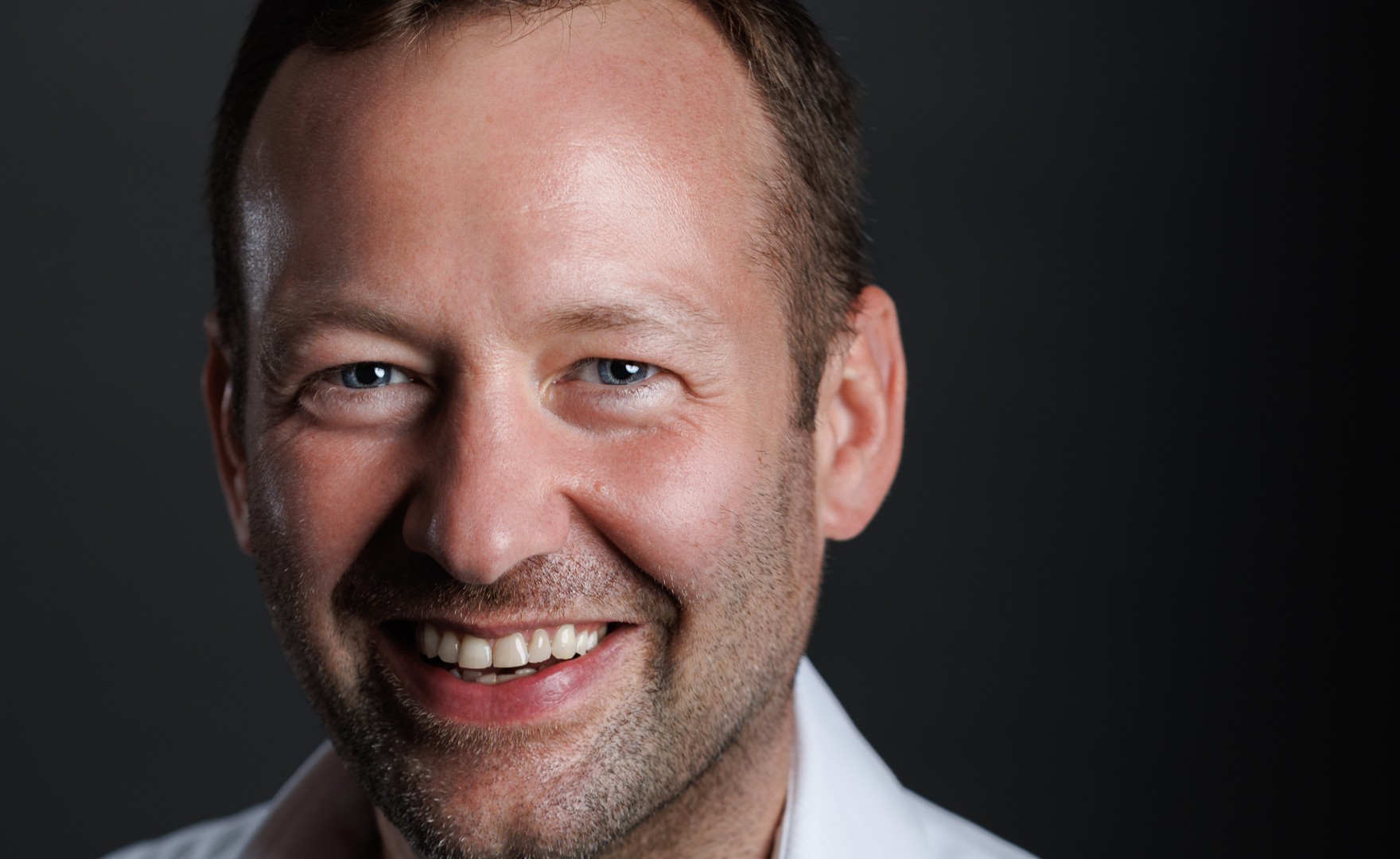
David Foden is an EMCC Accredited Executive Coach, facilitator and founder of Gibson Park Learning. He works with individuals and organisations to create space for reflection, fresh perspective and meaningful progress, supporting leaders with challenges ranging from strengthening working relationships to leading authentically and getting the best from their teams. In this interview, David reflects on his experience on the Practitioner Diploma in Executive Coaching, how it has shaped him as a coach, and the role coaching can play in helping people recognise the value they bring as humans in a fast-changing world.
What first sparked your interest in coaching and what made you decide it was the right time to train with the AoEC?
My career has always centred around people development, first working in corporate roles focused on talent, leadership and professional learning and development across financial and infrastructure services, and more recently working independently and with other consultancies. Having the opportunity to help people find solutions to their challenges – big and small – is incredibly rewarding. I enjoy the deeper level of conversation in coaching, helping clients to explore knotty issues, the ‘stuck-ness’ and (hopefully!) find a path to make meaningful change.
I knew several people who had trained with the AoEC, so I felt confident in my choice given the consistently positive feedback and recommendations I heard.
Can you tell us some of the highlights of your experience on the diploma, and were there any moments that really stretched or challenged you?
The creative exercises definitely pushed me out of my comfort zone, and I've since found them incredibly useful with clients. Part of the skill is knowing when as well as how to best use them – trust is key! I have received some sceptical looks at times, but clients usually just go with it.
What would be your advice to others considering coach training?
There is no better time than now! Like me, you may have attended short two-day courses that cover the basics and built up some experience. What really accelerated my development was the combination of structured learning over several months, ongoing reflection and feedback, and the support of both the teaching staff and peer group. Building a professional network beyond the programme has also been really helpful and a great bonus! Everyone is there to learn and support one another.
Looking back, what has been the lasting impact of the diploma on you, both as a person and as a coach?
The encouragement from the tutors to experiment, to take risks and having the courage to get things ‘wrong’. You don’t need to ask the perfect question, if such a thing exists. Being yourself, staying present and listening to your client can take you both a long way!
My biggest takeaway was the introduction to the concept of walking coaching, something I had never considered ‘a thing’ in coaching even though, as a team leader, I previously conducted my one-to-ones walking around Canary Wharf. This opened many doors and more recently led me to develop Walk to Think®, a structured thinking method that supports self-reflection and coaching. It’s aimed at individuals, teams, line managers and coaches.
Can you tell us about your personal coaching model and how this has evolved since doing the diploma?
I wonder if it’s more that I have evolved both as a person and coach, and my experience and expertise are more integrated with my coaching model. I draw primarily from Co-Active and Solution Focused coaching, and the Rogerian person-centred approach. I also borrow ideas from other traditions, including Gestalt, particularly where they help clients notice and make sense of what they are thinking, feeling and experiencing.
You now work as an Executive Coach and Founder of Gibson Park Learning, can you tell us about the type of clients you are working with?
I work with a range of client organisations across different sectors – from large financial services and public sector organisations to SMEs. Individual coaching clients are typically directors or senior professionals, often on talent programmes.
What are some of the challenges or opportunities people bring to those conversations?
The most typical challenges relate to emotional intelligence – self-awareness and self-management - and improving working relationships, particularly managing conflict. Leadership covers a broad range of topics but within that, I often have the privilege to help leaders get the most from their teams, manage effectively up and down the organisation, and lead authentically and in a sustainable way. I think a big opportunity emerging in coaching is helping people to identify the value they can bring as humans in a fast-changing AI world.
You have gone on to become accredited with EMCC Global at Practitioner Level. Was becoming accredited important to you, and what value has it brought to your practice?
I believe professional and ethical standards benefit both coaches and clients. From a personal perspective, I am keen to keep progressing and developing as a coach and the accreditation reflects that.
Without naming individuals, can you share a coaching conversation or moment that reminded you why this work matters?
One of my favourites has to be seeing someone go from a complete lack of belief in their ability to speak in public, to delivering a presentation to over 100 people. Naturally, it was a series of small milestones resulting in one big moment. Knowing they had tried counselling and hypnotherapy, continued to remain stuck with this belief and then helping them to unlock their potential – I felt really proud of the work they did and pleased to have played a small part in their journey.
When you reflect on your work as a leader and coach, what do you find most rewarding?
Is it a slight cop out to say “it depends"?! I love the art of the possible when leading a team: bringing different perspectives and personalities together around a common goal. It's challenging, but deeply satisfying. As a coach and facilitator, I love creating spaces where people can pause, think deeply, gain fresh perspective and make meaningful progress. It never gets old!
Our sincerest thanks to David for sharing his personal experience of coach training with the AoEC.
Article
Is your team too aligned?
24th November 2026 by Lee Robertson
Leadership teams often strive for alignment. Shared goals, common priorities and agreed ways of working are generally viewed as hallmarks…
Interview
Practitioner Diploma / "You don't need to ask the perfect question, if such a thing exists."
24th November 2026 by Alice Thomas
David Foden is an Executive Coach and Founder of Gibson Park Learning with a strong background in people development. He…
Article
Power and Social Identity in the Coaching Relationship
24th November 2026 by Sudhir Daya
What shapes the space between coach and client? Exploring power, social identity and the cultural foundations of coaching, this article…