 +44 (0) 20 7127 5125
 Alumni Login
Article
The rise of the workplace situationship and what it means for leaders
18th August 2026 by Lee Robertson
A new workplace trend is emerging, and it should give leaders pause for thought.
23rd June by Georgie Rudd
Reading time 4 minutes
Share this article:


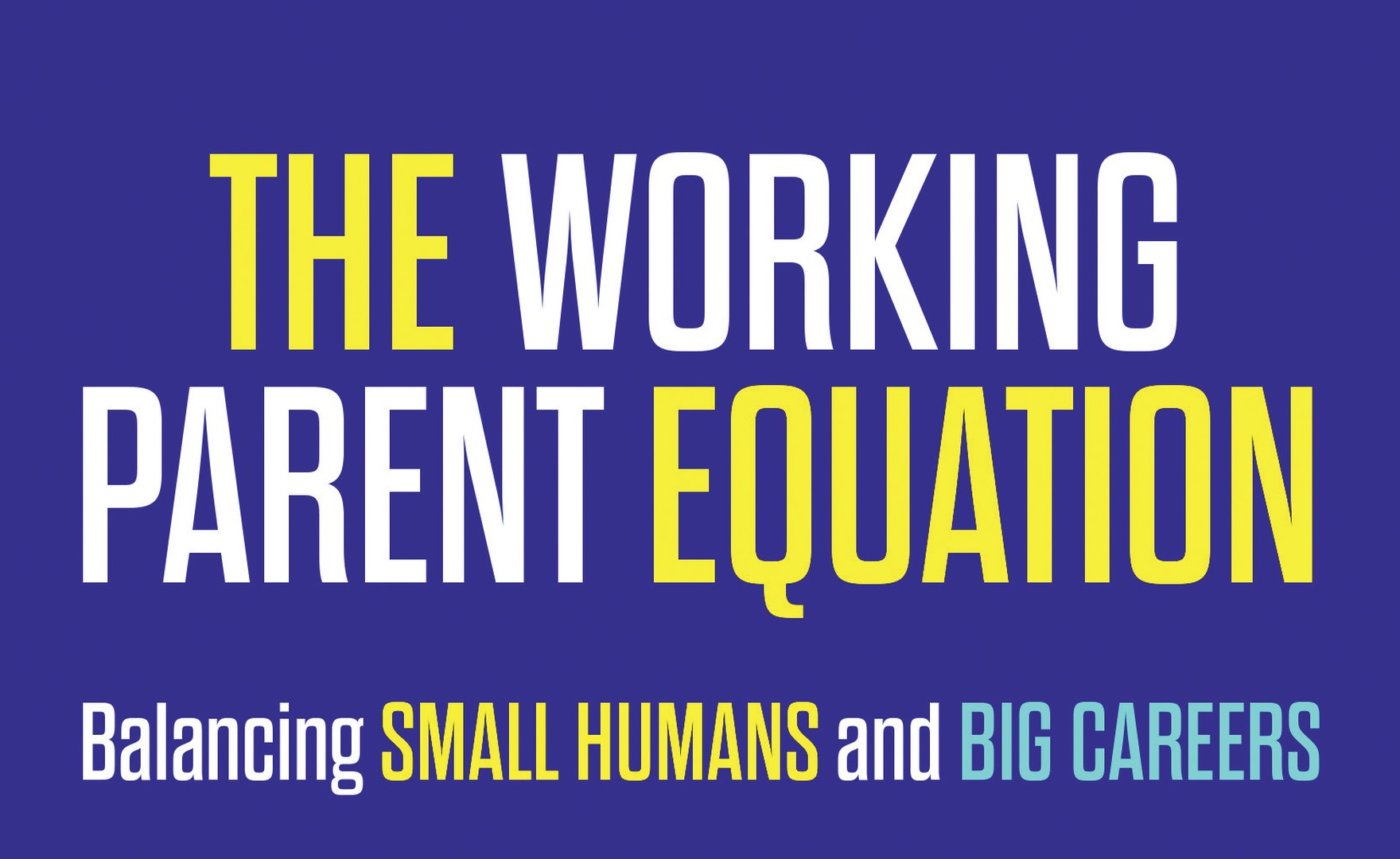
For working parents, it’s a noisy world of opinion and expectation with pressing demands on every side. Balancing small humans and big careers is a challenging equation where it can feel nigh-on impossible to create any space. Working parents need to get a handle on three important factors in the equation: work, family and themselves. In all likelihood, work and family are the focus and their own needs have disappeared from the equation. Coaching can make all the difference.
Whether you are a working parent yourself or supporting working parents through your coaching practice, prioritisation will inevitably be a significant focus. For a while, I had a sticky note of the Eisenhower matrix on my home computer as a reminder to be clear on what’s really important and urgent. My daughter added her thoughts into the top-right-box!
Have you ever found yourself wondering where you appear on the matrix? Are you urgent or important? Health, nutrition, exercise, friendships, relationships, spiritual connection and rest are all worthy contenders for the high importance/high urgency spot but in my work with coaching clients, this can be one of the hardest prioritisation challenges of all.
The Eisenhower matrix is a good way in. It is simplistic but, to my mind, that is its beauty. Plotting out the contents of the prioritisation list means clarity on what really needs to be done soon and personally by you (“do”) versus what can be delayed, delegated or even deleted. Why not try it now?
Whilst plotting your priorities on the matrix is a great start, the real coaching work lies in the sticking points where there is a struggle to place things. What was hard to put anywhere but “do”? How did it feel to delete something? What gets in the way of using the matrix well and why is it so hard to drop things and to delegate?
Whilst the circumstances may be genuinely challenging, there are common pitfalls in the way we think. For example, which of these do you recognise operating as a blocker to effective prioritisation?
Asking “catch-yourself” questions can shine a light on the factors driving our decision-making and getting in the way of effective delegation or reprioritisation. We can convince ourselves things must be done a certain way, that we ought to do certain things and that our assumptions are all truths. Catching the assumption underpinning the prioritisation decision creates alternative possibilities. “Catch-yourself” questions could start in the following ways:
One of the most powerful blockers to prioritisation is perfectionism. Perfection appears to be tantalisingly close as we absorb all the ways other people tell us we can achieve it. Apparently, we can be better parents, fitter, healthier, more successful, more senior, happier, wealthier if we just try harder. Expectations from our family systems, influential role models, comparison with others and a sense that we are what we achieve can all pile on the pressure to do more.
Perfectionism is a trait many people recognise and working parenthood can notch it up a gear[1]. It can manifest as setting incredibly high standards for ourselves, critical self-evaluation, expecting too much of others and over-reliance on external validation. Brené Brown writes,
“Perfectionism is not the self-protection we think it is. It is a twenty-ton shield that we lug around thinking it will protect us, when in fact it’s the thing that’s really preventing us from being seen.”[2]
If perfectionism is a twenty-ton shield, how helpful is it to us? We can find ways to let go, be real and be seen. Lessening the hold perfectionism has over us enables smarter decision-making, more effective prioritisation and sustainable energy over the longer-term.
1 . Loosen comparative assessments; comparison really is the thief of joy. Acknowledge where we are comparing ourselves unrealistically with others and where we have strengths that others may not have.
2. Increase self-compassion: the way we talk to ourselves is important. Developing kinder self-talk, learning how to tame the inner critic and choosing to be pragmatic about dropped balls rather than being excessively self-critical lessens a commitment to ‘perfection’.
3. Be more present. Whether it’s mindfulness practice or simply taking five minutes to tune in to your breath and surroundings, choosing to be present makes us calmer.
4. Increase gratitude. Refocus from deficit to abundance. Saying or writing down three things you are grateful for is a fantastic reset. Flipping the narrative away from all the things you have not done/not got towards what you are grateful for lessens the power of the inner perfectionist.
Working parents can quieten the noise around them and internally to access the best thinking they are capable of. It is possible to love your children and your career without losing yourself along the way. There is more margin than we realise. Coaching creates that vital time to think, alternative perspective and tools to reframe things so that working parents thrive, not just survive.
[1] Perfectionism is not a mental disorder, although maladaptive perfectionism can lead to high stress, relationship difficulties and burn-out. If you notice perfectionism interfering with daily functioning (e.g. intrusive thoughts or a constant feeling of being a failure) it is best to talk to a medical professional for advice.
[2] Brené Brown, Dare to Lead: Brave Work. Tough Conversations. Whole Hearts. (2018)
Our deepest thanks to Georgie and her publishers, Practical Inspiration Publishing for sharing this guest blog.
About the author
Georgie Rudd is the author of The Working Parent Equation: Balancing small humans and big careers (2026) and puts the power of executive coaching into the hands of professionals who want to balance loving their children and their career without losing themselves along the way. A Professional Certified Coach (PCC) with the International Coaching Federation, she draws on two decades of corporate leadership experience. Georgie specialises in executive and working parent coaching, often at the pivotal return-to-work transition point.
Article
18th August 2026 by Lee Robertson
A new workplace trend is emerging, and it should give leaders pause for thought.
Interview
18th August 2026 by Lee Robertson
As Sarah Carrington says goodbye to the AoEC after 18 years, we take the opportunity to look back on an…
Interview
18th August 2026 by Lee Robertson
Susan Banda-Mudiwa is an executive coach, leadership development consultant and former CEO with more than two decades of leadership experience…